

 Get prescription for your medicine
Product Overview:
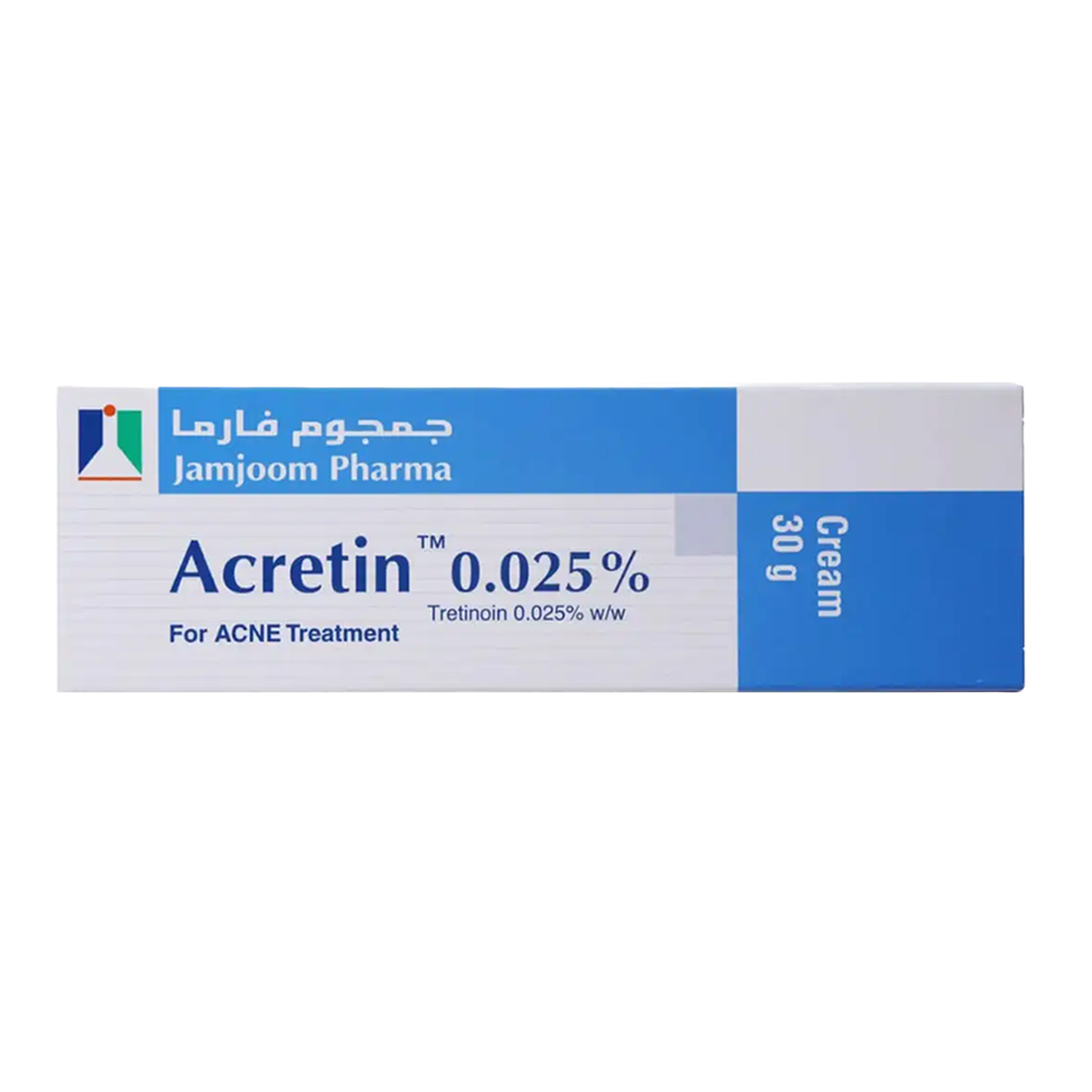
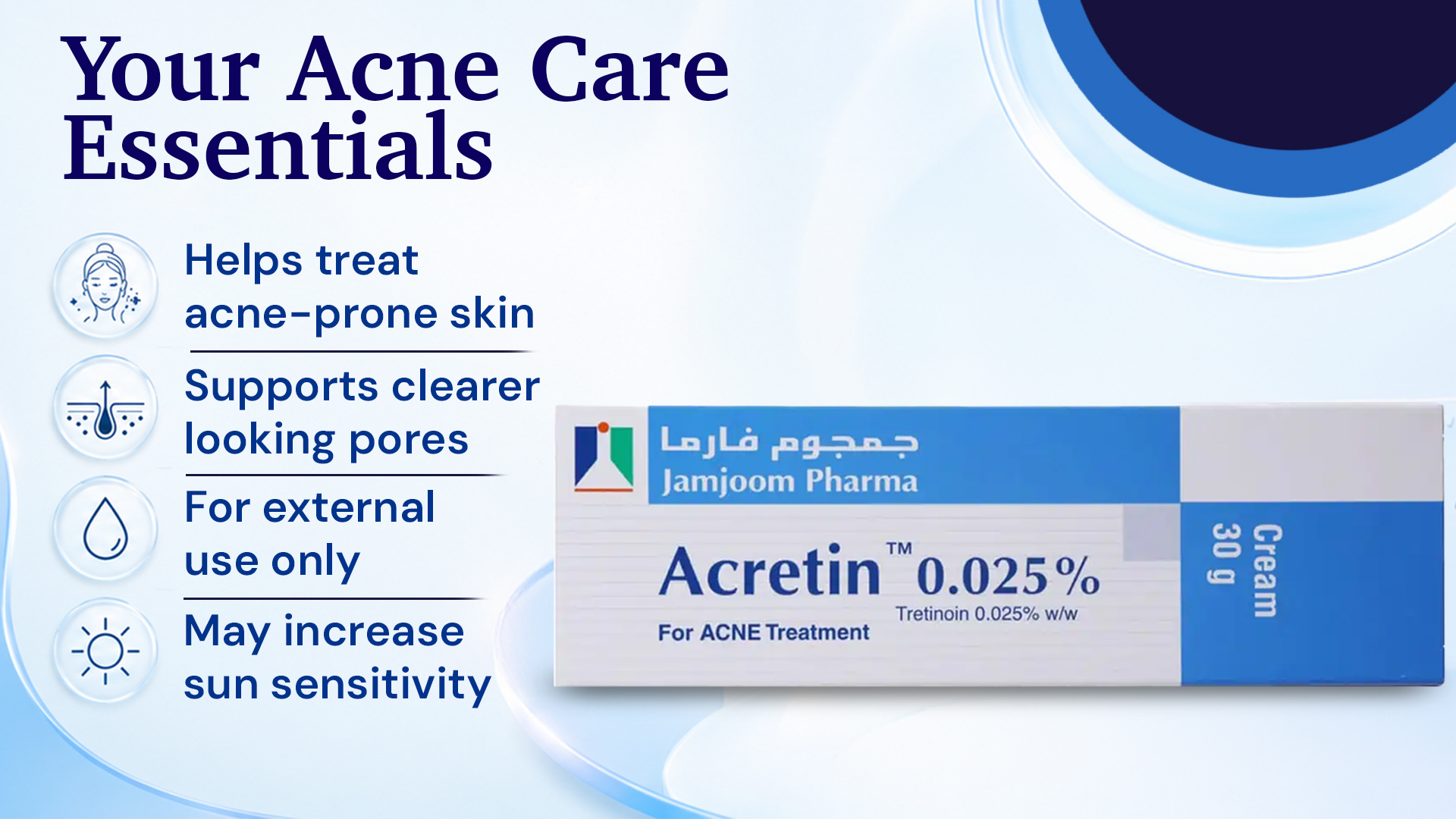
- Acretin 0.025% Cream 30 gm is used to treat acne vulgaris or other skin diseases as determined by your doctor. It works partly by keeping skin pores clear.
Key Features:
- One of the tretinoin creams is used to treat fine wrinkles, dark spots, or rough skin on the face caused by the damaging rays of the sun.
- It works by lightening the skin, replacing older skin with newer skin, and slowing down the way the body removes skin cells that may have been harmed by the sun.
- This medicine is available only with your doctor's prescription.
How it Works:
- It works partly by keeping skin pores clear.
Benefits:
- Tretinoin works best when used within a skin care program that includes protecting the treated skin from the sun.
- However, it does not completely or permanently erase these skin problems or greatly improve more obvious changes in the skin, such as deep wrinkles caused by the sun or the natural aging process.
Directions for Use:
- For topical dosage forms (cream, gel, or liquid):
- Adults—Apply to the affected area(s) of the skin once a day, at bedtime.
- Children— Use and dose must be determined by your doctor.
Active Ingredients:
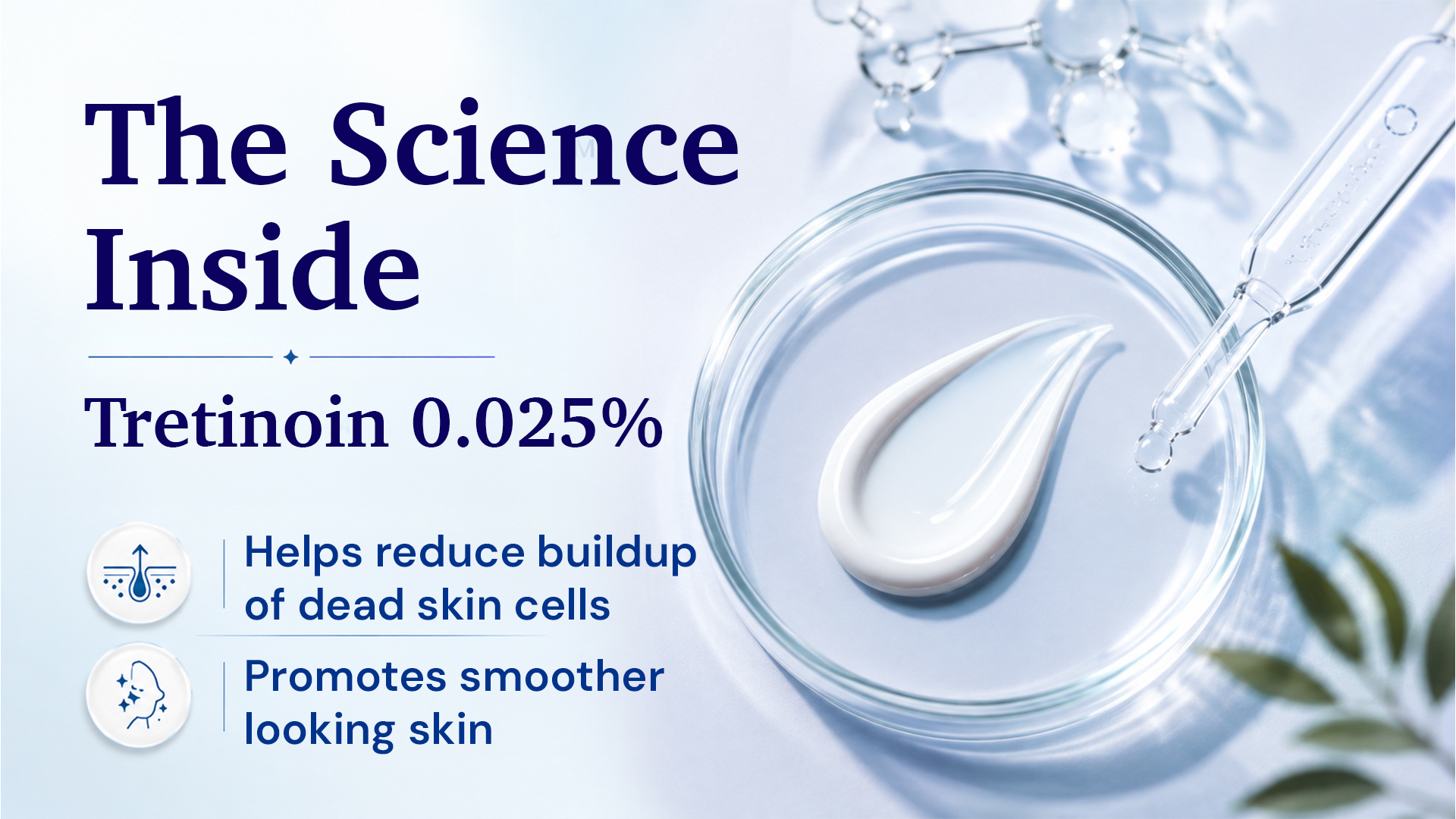
- Tretinoin 0.025%
Side Effects:
- Along with its needed effects, a medicine may cause some unwanted effects. Although not all of these side effects may occur, if they do occur they may need medical attention.
Check with your doctor immediately if any of the following side effects occur:
Pain, burning, changes in color, dryness, itching, peeling, redness, scaling, stinging, or swelling of the skin where the medicine is applied
Dryness, pain, redness, irritation, or peeling at the application site
Some side effects may occur that usually do not need medical attention. These side effects may go away during treatment as your body adjusts to the medicine. Also, your health care professional may be able to tell you about ways to prevent or reduce some of these side effects. Check with your health care professional if any of the following side effects continue or are bothersome or if you have any questions about them:
Caution & Warnings:
- It is very important that your doctor check your or your child's progress at regular visits to make sure that this medicine is working properly and to check for unwanted effects.
- During the first 3 weeks you are using tretinoin, your skin may become irritated. Also, your acne may seem to get worse before it gets better. It may take longer than 12 weeks before you notice full improvement of your acne, even if you use the medicine every day. For Retin-A Micro® gel, you may notice improvement after 2 weeks, but more than 7 weeks of treatment may be needed. Check with your doctor if skin irritation becomes severe or if your acne does not improve within 8 to 12 weeks.
- You should avoid washing the skin treated with tretinoin too often or scrubbing it hard when washing.
- Avoid using any topical medicine on the same area within 1 hour before or after using tretinoin. Otherwise, tretinoin may not work properly or skin irritation might occur.
- Unless your doctor tells you otherwise, it is especially important to avoid using the following skin products on the same area as tretinoin:
- Any other topical acne product or skin product containing a peeling agent (eg, benzoyl peroxide, resorcinol, salicylic acid, or sulfur).
- Hair products that are irritating, such as permanents or hair removal products.
- Skin products that cause sensitivity to the sun, including those containing spices or limes.
- Skin products containing a large amount of alcohol (eg, astringents, shaving creams, or after-shave lotions).
- Skin products that are too drying or abrasive, such as some cosmetics, soaps, or skin cleansers.
- Serious skin reactions including pain, irritation, itching, burning, redness, peeling, dryness, scaling, or stinging of the skin can occur during treatment with this medicine. Your doctor may tell you to use a moisturizer to treat skin irritation.
- During the first 6 months of use, avoid overexposing the treated areas to sunlight, wind, or cold weather. The skin will be more prone to sunburn, dryness, or irritation, especially during the first 2 or 3 weeks. However, you should not stop using this medicine unless the skin irritation becomes too severe. Do not use a sunlamp.
- This medicine may make your skin more sensitive to sunlight. Use a sunscreen and wear loose-fitting clothes when you are outdoors. Avoid sunlamps and tanning beds.
- Check with your doctor at any time your skin becomes too dry and irritated. Your doctor can help you choose the right skin products for you to reduce skin dryness and irritation and may include the following:
- For patients using tretinoin for the treatment of acne:
- Regular use of water-based creams or lotions helps to reduce skin irritation or dryness that may be caused by the use of tretinoin.
- For patients using tretinoin for the treatment of fine wrinkling, dark spots, and rough skin caused by the sun:
- This medicine should be used as part of an ongoing program to avoid further damage to your skin from the sun. This program includes staying out of the sun when possible or wearing proper clothing or hats to protect your skin from sunlight.
- Regular use of oil-based creams or lotions helps to reduce skin irritation or dryness caused by the use of tretinoin.
Storage:
- Keep out of the reach of children.
- Do not keep outdated medicine or medicine no longer needed.
- Ask your healthcare professional how you should dispose of any medicine you do not use.
- Store the medicine in a closed container at room temperature, away from heat, moisture, and direct light. Keep from freezing.
- Do not freeze.
- The gel form is flammable and should be kept away from fire or excessive heat.
FAQs:
- Q. Can I use it during breastfeeding?
A. There are no adequate studies in women for determining infant risk when using this medication during breastfeeding. Weigh the potential benefits against the potential risks before taking this medication while breastfeeding. - Q. Do I need to wear sunscreen?
A. Yes. Tretinoin significantly increases your skin’s sensitivity to sunlight, so you must apply a broad-spectrum sunscreen (SPF 50 or higher) every morning.
Product Details:

Genuine brands

Temperature Controlled

Secure Payment
Genuine brands
Temperature Controlled
Secure Payment
About Product
Product Overview:
- Acretin 0.025% Cream 30 gm is used to treat acne vulgaris or other skin diseases as determined by your doctor. It works partly by keeping skin pores clear.
Key Features:
- One of the tretinoin creams is used to treat fine wrinkles, dark spots, or rough skin on the face caused by the damaging rays of the sun.
- It works by lightening the skin, replacing older skin with newer skin, and slowing down the way the body removes skin cells that may have been harmed by the sun.
- This medicine is available only with your doctor's prescription.
How it Works:
- It works partly by keeping skin pores clear.
Benefits:
- Tretinoin works best when used within a skin care program that includes protecting the treated skin from the sun.
- However, it does not completely or permanently erase these skin problems or greatly improve more obvious changes in the skin, such as deep wrinkles caused by the sun or the natural aging process.
Directions for Use:
- For topical dosage forms (cream, gel, or liquid):
- Adults—Apply to the affected area(s) of the skin once a day, at bedtime.
- Children— Use and dose must be determined by your doctor.
Active Ingredients:
- Tretinoin 0.025%
Side Effects:
- Along with its needed effects, a medicine may cause some unwanted effects. Although not all of these side effects may occur, if they do occur they may need medical attention.
Check with your doctor immediately if any of the following side effects occur:
Pain, burning, changes in color, dryness, itching, peeling, redness, scaling, stinging, or swelling of the skin where the medicine is applied
Dryness, pain, redness, irritation, or peeling at the application site
Some side effects may occur that usually do not need medical attention. These side effects may go away during treatment as your body adjusts to the medicine. Also, your health care professional may be able to tell you about ways to prevent or reduce some of these side effects. Check with your health care professional if any of the following side effects continue or are bothersome or if you have any questions about them:
Caution & Warnings:
- It is very important that your doctor check your or your child's progress at regular visits to make sure that this medicine is working properly and to check for unwanted effects.
- During the first 3 weeks you are using tretinoin, your skin may become irritated. Also, your acne may seem to get worse before it gets better. It may take longer than 12 weeks before you notice full improvement of your acne, even if you use the medicine every day. For Retin-A Micro® gel, you may notice improvement after 2 weeks, but more than 7 weeks of treatment may be needed. Check with your doctor if skin irritation becomes severe or if your acne does not improve within 8 to 12 weeks.
- You should avoid washing the skin treated with tretinoin too often or scrubbing it hard when washing.
- Avoid using any topical medicine on the same area within 1 hour before or after using tretinoin. Otherwise, tretinoin may not work properly or skin irritation might occur.
- Unless your doctor tells you otherwise, it is especially important to avoid using the following skin products on the same area as tretinoin:
- Any other topical acne product or skin product containing a peeling agent (eg, benzoyl peroxide, resorcinol, salicylic acid, or sulfur).
- Hair products that are irritating, such as permanents or hair removal products.
- Skin products that cause sensitivity to the sun, including those containing spices or limes.
- Skin products containing a large amount of alcohol (eg, astringents, shaving creams, or after-shave lotions).
- Skin products that are too drying or abrasive, such as some cosmetics, soaps, or skin cleansers.
- Serious skin reactions including pain, irritation, itching, burning, redness, peeling, dryness, scaling, or stinging of the skin can occur during treatment with this medicine. Your doctor may tell you to use a moisturizer to treat skin irritation.
- During the first 6 months of use, avoid overexposing the treated areas to sunlight, wind, or cold weather. The skin will be more prone to sunburn, dryness, or irritation, especially during the first 2 or 3 weeks. However, you should not stop using this medicine unless the skin irritation becomes too severe. Do not use a sunlamp.
- This medicine may make your skin more sensitive to sunlight. Use a sunscreen and wear loose-fitting clothes when you are outdoors. Avoid sunlamps and tanning beds.
- Check with your doctor at any time your skin becomes too dry and irritated. Your doctor can help you choose the right skin products for you to reduce skin dryness and irritation and may include the following:
- For patients using tretinoin for the treatment of acne:
- Regular use of water-based creams or lotions helps to reduce skin irritation or dryness that may be caused by the use of tretinoin.
- For patients using tretinoin for the treatment of fine wrinkling, dark spots, and rough skin caused by the sun:
- This medicine should be used as part of an ongoing program to avoid further damage to your skin from the sun. This program includes staying out of the sun when possible or wearing proper clothing or hats to protect your skin from sunlight.
- Regular use of oil-based creams or lotions helps to reduce skin irritation or dryness caused by the use of tretinoin.
Storage:
- Keep out of the reach of children.
- Do not keep outdated medicine or medicine no longer needed.
- Ask your healthcare professional how you should dispose of any medicine you do not use.
- Store the medicine in a closed container at room temperature, away from heat, moisture, and direct light. Keep from freezing.
- Do not freeze.
- The gel form is flammable and should be kept away from fire or excessive heat.
FAQs:
- Q. Can I use it during breastfeeding?
A. There are no adequate studies in women for determining infant risk when using this medication during breastfeeding. Weigh the potential benefits against the potential risks before taking this medication while breastfeeding. - Q. Do I need to wear sunscreen?
A. Yes. Tretinoin significantly increases your skin’s sensitivity to sunlight, so you must apply a broad-spectrum sunscreen (SPF 50 or higher) every morning.
Product Details:
Get prescription for your medicine